
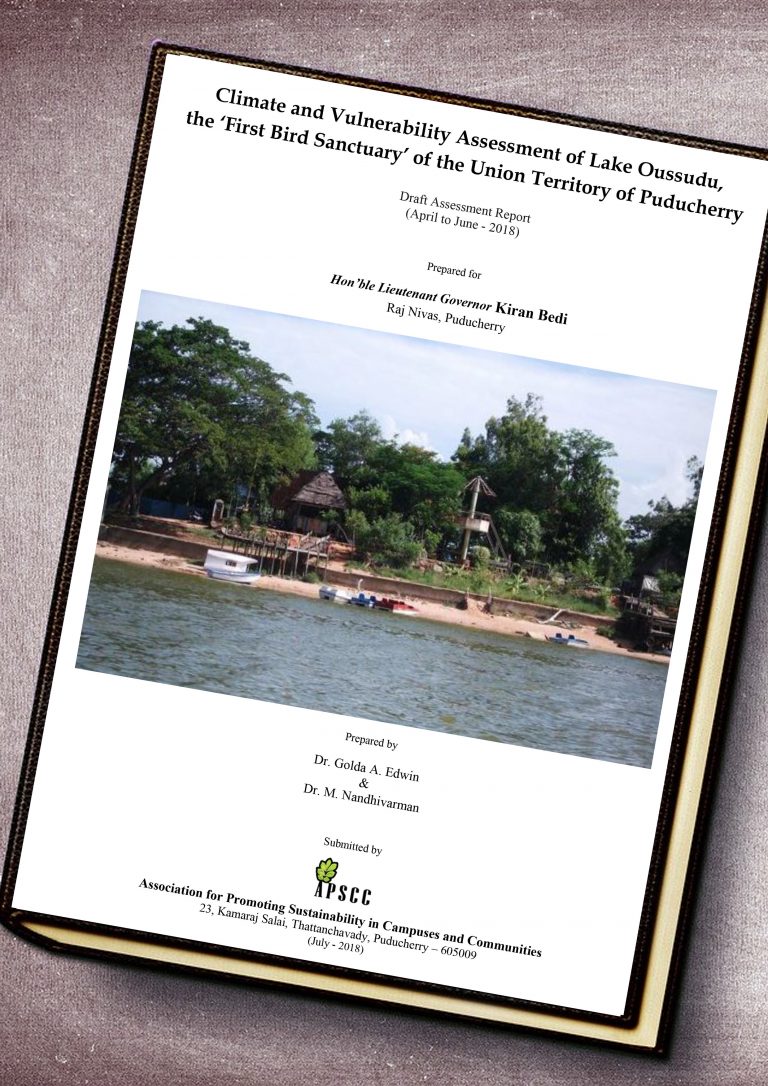
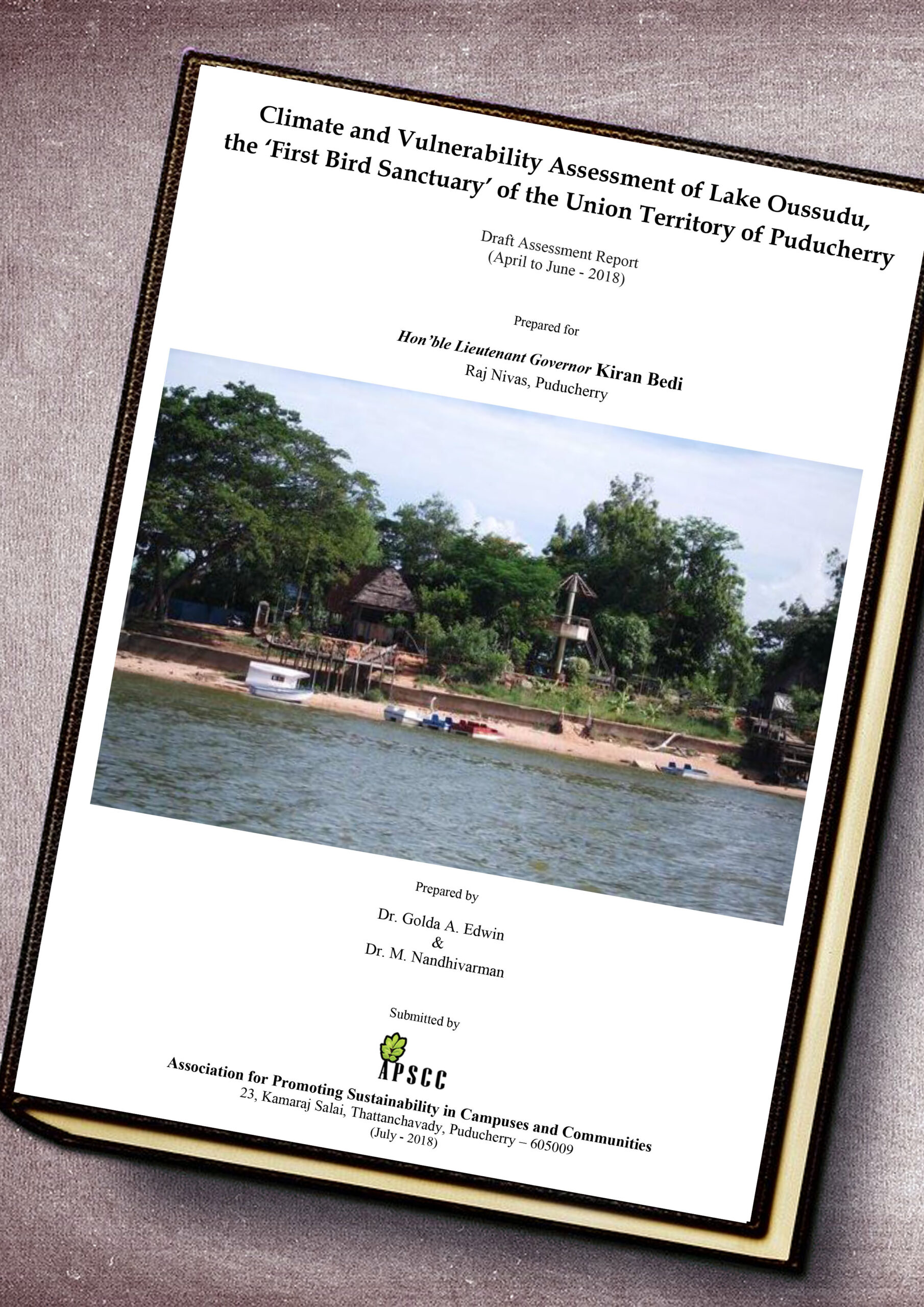
Freshwater biomes, including lakes, ponds, and rivers, are indispensable for sustaining life, providing water for agriculture, domestic use, and industrial needs. Yet, extensive urbanization, pollution, and encroachment have severely degraded these vital ecosystems. Among the endangered waterbodies requiring urgent attention is Oussudu Lake (Ousteri Lake), a site of immense ecological and cultural significance.
Nestled within Oulgaret Municipality, Puducherry, Oussudu Lake holds the prestigious title of Puducherry’s First Bird Sanctuary, serving as a haven for migratory and resident birds while offering crucial ecosystem services. However, human-induced and natural threats now endanger this once-thriving lake, necessitating immediate conservation efforts.
The Importance of Oussudu Lake
Ecological Significance
- Biodiversity Hotspot: Home to a rich diversity of flora and fauna, including birds, amphibians, reptiles, crustaceans, and fish.
- Aquifer Recharge: Recharges groundwater resources essential for agriculture and local communities.
- Habitat for Birds: Supports thousands of resident and migratory birds during breeding and migration seasons.
Cultural and Historical Relevance
- Heritage Site: A symbol of Puducherry’s cultural legacy, sustaining local livelihoods and traditions.
- Tourism Potential: Offers opportunities for eco-tourism and cultural heritage promotion.
Current Challenges
Despite its significance, Oussudu Lake faces an array of threats, including:
Human-Induced Threats
- Encroachment on catchment areas and feeder channels.
- Pollution from solid and liquid waste, agricultural runoff, and effluents.
- Poaching and habitat destruction.
- Urban sprawl and infrastructure development near the lake.
Natural and Climate Change Threats
- Reduced water levels due to erratic monsoons.
- Siltation and sediment deposition impacting water quality.
- Loss of biodiversity due to habitat changes and invasive species.
Research and Findings
Recognizing the urgent need for action, Hon’ble Lieutenant Governor Kiran Bedi initiated a comprehensive study on Oussudu Lake in collaboration with Pondicherry University, and the Association for Promoting Sustainability in Campuses and Communities (APSCC).
Key highlights of the report include:
- Identification of 30 human threats, 4 natural threats, and 5 climate-related threats impacting the lake.
- Documentation of the lake’s upper catchment areas, physical characteristics, and hydraulic particulars.
- Detailed lists of biodiversity, including species of birds, butterflies, amphibians, reptiles, and plants.
- Recommendations for mitigating threats and promoting eco-tourism through Unique Selling Propositions (USPs) such as birdwatching towers, trekking trails, and educational programs.
The Government of India and Government of Puducherry have undertaken several measures to rejuvenate Oussudu Lake:
National Frameworks
- Solid Waste Management Rules (2016) and Wetland Conservation Rules (2017): Prohibit waste dumping and industrial expansion in wetland areas.
- Ramsar Convention: Recognizes Oussudu Lake as a wetland of international importance.
Puducherry Initiatives
- Declaring Oussudu Lake and its surroundings litter-free, plastic-free, and no-horn zones.
- Proposals for a birdwatching center with telescopes and educational facilities.
- Construction of walking trails and parks to promote eco-tourism and local engagement.
- Strengthening lake bunds with additional vegetation to prevent erosion and provide bird habitats.
Recommendations for Immediate Rejuvenation
Pollution Control
- Install floating wetlands and bio-treatment systems to filter pollutants.
- Regulate agricultural and industrial runoff.
Habitat Restoration
- Create artificial lake islands to attract birds and improve biodiversity.
- Remove invasive plant species and replace them with native vegetation.
Infrastructure Development
- Establish walking trails, boating facilities, and birdwatching towers.
- Install renewable energy systems like solar panels for sustainable operations.
Community Involvement
- Organize lake clean-up drives and citizen-led monitoring programs.
- Conduct educational campaigns to raise awareness about the lake’s ecological value.
Policy and Governance
- Form an executive committee comprising officials from all relevant departments.
- Develop a green protocol to guide conservation efforts and ensure compliance.
Relevance to Sustainable Development Goals (SDGs)
The rejuvenation of Oussudu Lake aligns with the United Nations Sustainable Development Goals (SDGs):
- Goal 6: Clean Water and Sanitation.
- Goal 11: Sustainable Cities and Communities.
- Goal 13: Climate Action.
- Goal 14: Life Below Water.
- Goal 15: Life on Land.
By preserving this vital ecosystem, we contribute to global efforts to ensure environmental sustainability and intergenerational equity.
Water is more than a resource; it is a heritage that must be safeguarded for future generations. The conservation of Oussudu Lake is not just an environmental responsibility but a cultural and economic opportunity. By addressing pollution, restoring habitats, and promoting eco-tourism, we can transform Oussudu Lake into a model of sustainable development.