
Traditional Organic Farmers Festival 2.0
Aim of the Program Sustainable agriculture is not only about producing food but also about nurturing health, protecting the environment, and securing livelihoods for future generations. The “Traditional Organic Farmers Festival 2.0” is jointly organized to educate, create awareness, and inspire action towards sustainable agriculture and entrepreneurship. The program brings together farmers, students, entrepreneurs, researchers, and communities to explore pathways for healthier living, ecological balance, and green business opportunities that enhance livelihoods. The program also aspires to catalyse more than 50% adoption of organic farming in Puducherry and adjacent regions of Tamil Nadu by 2030. By showcasing the health benefits of millets, organic produce and other products, emphasizing the value of traditional farming wisdom, and highlighting innovations in waste recycling and eco-entrepreneurship, the festival seeks to build awareness and encourage action. In alignment with the Government of India’s organic farming schemes and initiatives, participants will also explore opportunities for strengthening local markets, developing value-added products, and accessing global export channels—ultimately contributing to income security and sustainable rural development. Expected Outcomes Increased awareness about health and environmental benefits of organic agriculture. Skill development in eco-friendly production, processing, and marketing. Networking and incubation opportunities for budding entrepreneurs. Enhanced livelihood options through green business models. Organizer and Collaborators Puducherry Natural Organic Farmers and Local Farmers Cooperative Society In collaboration with Pondicherry University (ACIC-PUSH, Startup Club, Dept. of Food Science, & Office of Green Campus) Association for Promoting Sustainability in Campuses and Communities Department of Agriculture and Farmers Welfare, Puducherry Perunthalaivar Kamaraj Krishi Vigyan Kendra, Puducherry Puducherry Corporation for Development of Women and Differently Abled Persons Ltd State Office, Khadi and Village Industries Commission, Chennai Rajiv Gandhi College of Veterinary and Animal Sciences, Puducherry Atal Incubation Centre, Puducherry Technological University Kanchi Mamunivar Centre for Postgraduate Studies, Puducherry Bharathidasan Government College for Women, Puducherry Tagore Government Arts and Science College, Puducherry SMVEC College of Agricultural Sciences, Puducherry · Highlights of the Event Education & Awareness Sessions on sustainable farming practices, organic agriculture, and eco-friendly entrepreneurship. Awareness on the role of healthy food systems in building resilient communities Regional Organic Produce Display Exhibition of locally grown organic fruits, vegetables, and grains. Showcasing diversity in organic farming traditions across regions. Green Ideas for Entrepreneurship Opportunities in organic production, processing, and value addition. Marketing strategies for small-scale entrepreneurs, and start-ups Incubation support for beginners to scale their green business ideas. Health Benefits of Millets Nutritional superiority of millets as climate-smart crops. Role of organic foods in disease prevention and holistic wellness. Cooking demonstrations and tastings to promote millet-based diets Pollution Prevention & Resource Recycling Conversion of organic waste into compost and vermicompost. Live demonstrations of waste-to-wealth techniques for homes & farms. Circular economy models for growth. Traditional & Culture-Based Practices Display and knowledge-sharing on organic pesticides and fertilizers rooted in local wisdom. Revival of indigenous farming techniques for eco-restoration. Government of India Initiatives Overview of schemes promoting organic farming. Government support for farmer-producer organizations (FPOs) and organic clusters. Export promotion of organic products. Income & Livelihood Opportunities Creating local markets for farmers and entrepreneurs. Exploring export potential. Strengthening livelihood security through sustainable entrepreneurship. 📅 Date: 11 September 2025 📍 Venue: Pondicherry University Cultural-cum-Convention Centre, Kalapet, Puducherry. ⏰ Time: 09:00 am – 05:30 pm Registration Link: Farmers ‘Free’ – https://forms.gle/hWBt2egxmrJofLk76 Student/Scholar/Faculty INR 150/- https://forms.gle/cJiCjsmoE8jpA79TA Entrepreneur (Stall) INR 700/-https://forms.gle/ENDpYUBbT9FynFrD6
Topsoil Conservation Series 2024-25: Supporting World Soil Day – ‘Caring for Soil: Measure, Monitor, Manage’
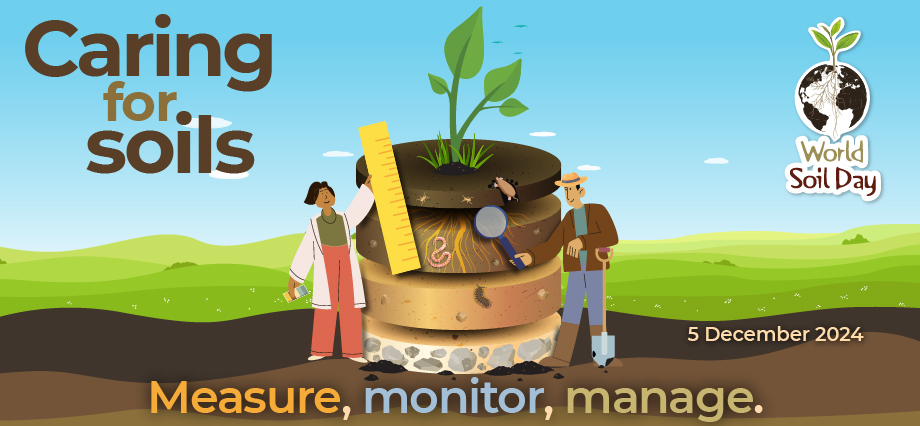
World Soil Day, observed annually on December 5th, highlights the vital role soil plays in sustaining life on Earth. The theme for World Soil Day 2024, “Caring for Soil: Measure, Monitor, Manage,” emphasizes the need for proactive soil health management to support agriculture, climate stability, and biodiversity. Topsoil, the nutrient-rich uppermost layer of soil essential for plant growth, is under severe threat from factors such as erosion, unsustainable farming practices, deforestation, compaction, monsoon runoff, floods, and climate change. The Awareness Program Series on Topsoil Conservation, aligned with the World Soil Day 2024 theme, is a year-long initiative running through 2025. It aims to educate and engage key stakeholders, including farmers and students, to promote sustainable soil management practices. Farmers directly influence soil health through their practices, while students, as future leaders and innovators, have the potential to drive long-term change through knowledge and advocacy. Objectives • Educate students and farmers about the significance of topsoil, the threats it faces, and methods for sustainable conservation. • Promote innovative solutions for soil preservation through community engagement and the demonstration of sustainable agricultural practices. Program Components • FAO’s Global Soil Doctors Program: Tailored for farmers to provide technical knowledge and practical soil management skills. • APSCC’s Global Young Soil Scientists Program: Designed for students to foster leadership and innovation in soil conservation. Expected Outcomes • Enhanced understanding among students and farmers regarding the importance of topsoil conservation. • Increased adoption of sustainable soil management practices in schools, colleges, and farming communities. • Broader public awareness about soil health through extended outreach and advocacy campaigns. Implementation Timeline December 2024 to December 2025 Partners and Stakeholders • Local Agricultural Departments: For technical expertise and farmer outreach. • Educational Institutions: To engage students and provide venues for activities. • NGOs and Environmental Groups: For advocacy, capacity building, and outreach. • Private Sector Entities: To sponsor events and provide resources for program implementation. Topsoil conservation is a critical environmental priority and a cornerstone for sustainable agriculture and food security. This awareness program series seeks to educate and empower farmers and students, fostering a culture of soil stewardship. Through collaborative efforts and tangible actions, the initiative aims to ensure healthier soils for a more sustainable and resilient future.
International Coastal Clean-up Day – 2024
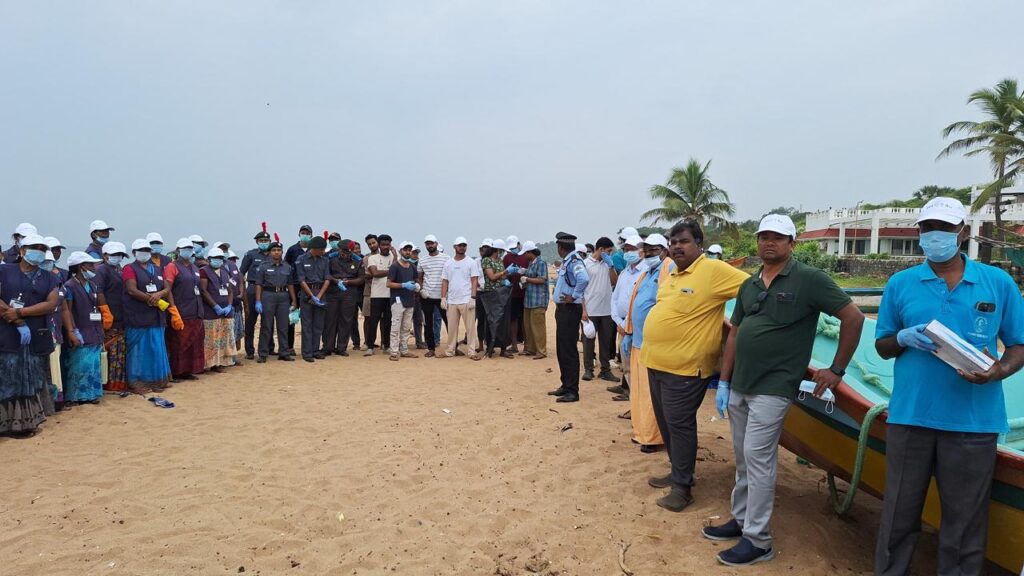
In a united effort to address marine pollution and promote sustainable coastal practices, Pondicherry University, Oulgaret Municipality, and the Association for Promoting Sustainability in Campuses and Communities (APSCC) came together to celebrate International Coastal Clean-up Day. This initiative, held under the aegis of the National Center for Coastal Research (Ministry of Earth Sciences, Government of India), is part of the Ministry’s flagship program, “Swachh Sagar, Surakshit Sagar,” which aims to raise awareness about marine conservation and protect fragile coastal ecosystems. This year’s event was aligned with the global theme ‘Sea the Change’ and complemented India’s ongoing Swachhata Hi Seva campaign, a nationwide movement dedicated to cleanliness and sustainable development. Rally and Pledge The event began with an enthusiastic pledge led by Prof. K. Tharanikkarasu, Vice-Chancellor of Pondicherry University, followed by a rally to Kalapet Beach. The rally was spearheaded by Thiru. A. Sureshraj, Commissioner of Oulgaret Municipality, along with Prof. Rajneesh Bhutani, Registrar of Pondicherry University. During his speech, Prof. Tharanikkarasu stressed the importance of preserving marine ecosystems, drawing attention to the damaging effects of fiber-reinforced plastics on the environment. He emphasized that marine pollution poses a significant threat to biodiversity and the livelihoods of coastal communities. Commissioner Sureshraj echoed these concerns, focusing on the detrimental impact of beach littering and uncontrolled coastal pollution. He urged the public to adopt eco-friendly practices and take responsibility for keeping beaches clean and safe. Prof. Rajneesh Bhutani, in his remarks, lauded the Indian Government’s unwavering commitment to conserving the country’s vast marine resources and expressed gratitude for the continuous efforts toward promoting coastal sustainability. Clean-up Efforts and Community Participation The event saw active participation from over 200 individuals, including community members and several notable officers: Er. V. Mourougavelou, Dr. R. Vishnu Vardhan, Dr. S. I. Humayun, Dr. C. Satheesh Kumar, Dr. E. Manikandan, Er. S. Sudalai, Dr. M. Nandhivarman, Dr. S. Raja, Er. M. Jaisankar, Er. S. Segar, Mr. S. Ruthramoorthy, and Mr. S. Bhaskaran. Together, participants collected around 400 kg of waste, with an estimated 20-30% consisting of various plastics. Er. S. Sudalai from Pondicherry University confirmed that the collected waste was sorted and disposed of responsibly to minimize further environmental impact. Dr. M. Nandhivarman from Pondicherry University emphasized the dangers posed by disintegrating plastics, including PET bottles, fishing nets, and ropes, to marine wildlife. He pointed out the harmful effects of single-use plastics, many of which have been banned but continue to appear as litter. Dr. Nandhivarman advocated for regular coastal cleanup initiatives to foster greater environmental awareness among students and the general public. A Call for Continued Action The event concluded with a vote of thanks delivered by Vice-Chancellor Prof. K. Tharanikkarasu and Commissioner A. Sureshraj. Both leaders expressed their appreciation for the dedication shown by all participants and emphasized the ongoing importance of protecting marine environments. Certificates of participation were distributed to the volunteers, marking the end of a successful day dedicated to coastal conservation. International Coastal Clean-up Day serves as a reminder of the urgent need to address marine pollution, and events like these play a vital role in educating communities, preserving marine ecosystems, and encouraging sustainable living practices. This post aims to raise awareness about the importance of International Coastal Clean-up Day and inspire others to take action in protecting our oceans and coastal ecosystems. Let’s continue to work together for a cleaner, safer, and more sustainable environment. https://youtu.be/cefea3HDFL4?si=0Tgd40fXfan9C-9J%20
Celebrating UN International Zero Waste Day 2024: APSCC’s Commitment to Sustainable Futures

The United Nations General Assembly established 30th March as the International Day of Zero Waste, emphasizing the importance of promoting zero-waste initiatives in advancing the 2030 Agenda for Sustainable Development. This significant day calls for a global commitment to sustainable practices, encouraging individuals, organizations, and communities to adopt zero-waste approaches in their daily lives. In alignment with this vision, the Association for Promoting Sustainability in Campuses and Communities (APSCC), as one of the UN Observer organizations, organized multiple impactful events and campaigns to commemorate the inaugural International Zero Waste Day 2024. Highlight: Joint Event with the Oulgaret Municipality One of the key initiatives led by APSCC was a collaborative event with the Oulgaret Municipality of the Government of Puducherry, titled: “Towards Zero Waste and Sustainable Municipality” This program served as both an awareness drive and an orientation session, specifically designed for Bulk Waste Generators (BWGs) operating within the Oulgaret Municipal limits. Objectives of the Event The event aimed to address the challenges posed by bulk waste generation and empower participants with the knowledge and tools to adopt sustainable waste management practices. Key objectives included: Raising Awareness: Educating bulk waste generators about the environmental impact of improper waste disposal and the need for zero-waste solutions. Promoting Responsibility: Encouraging BWGs to take ownership of their waste management processes. Introducing Sustainable Practices: Highlighting methods such as waste segregation at source, composting, recycling, and reducing landfill dependency. Fostering Partnerships: Strengthening collaboration between the municipality, businesses, and communities to achieve a sustainable future. Event Highlights Interactive Awareness Sessions: Experts from APSCC and Oulgaret Municipality shared insights on waste generation statistics, environmental consequences, and the benefits of zero-waste initiatives. Demonstrations on Best Practices: Practical demonstrations on waste segregation, composting techniques, and recycling methods were conducted, offering participants actionable knowledge. Open Discussion Forums: BWGs were encouraged to share their challenges and ideas, fostering a collaborative approach to solving waste management issues. Recognition of Model Initiatives: The event showcased examples of businesses and organizations within Oulgaret that have successfully implemented zero-waste practices, inspiring others to follow suit. Impact of the Event The event saw enthusiastic participation from bulk waste generators, including businesses, institutions, and housing societies. The key outcomes included: Increased Awareness: Participants gained a deeper understanding of their role in creating a zero-waste society. Commitment to Change: Many attendees pledged to adopt sustainable practices in their operations. Policy Alignment: The initiative complemented existing municipal waste management policies, laying the groundwork for a cohesive zero-waste strategy. APSCC’s Role in Promoting Zero Waste As a key player in sustainability advocacy, APSCC continues to champion zero-waste practices through: Educational Campaigns: Organizing awareness drives across campuses and communities. Collaborative Projects: Partnering with local governments, institutions, and organizations to implement impactful waste management strategies. Capacity Building: Training stakeholders in sustainable practices, ensuring long-term change. Looking Ahead The International Zero Waste Day 2024 marks a significant milestone in the journey toward a sustainable future. APSCC remains committed to fostering a culture of zero waste, aligning its efforts with global goals to safeguard the planet for future generations. Join us in our mission to create a cleaner, greener world. Together, we can turn the vision of zero waste into a reality!
World Water Quality Alliance Conference – 2023, Nairobi, Kenya
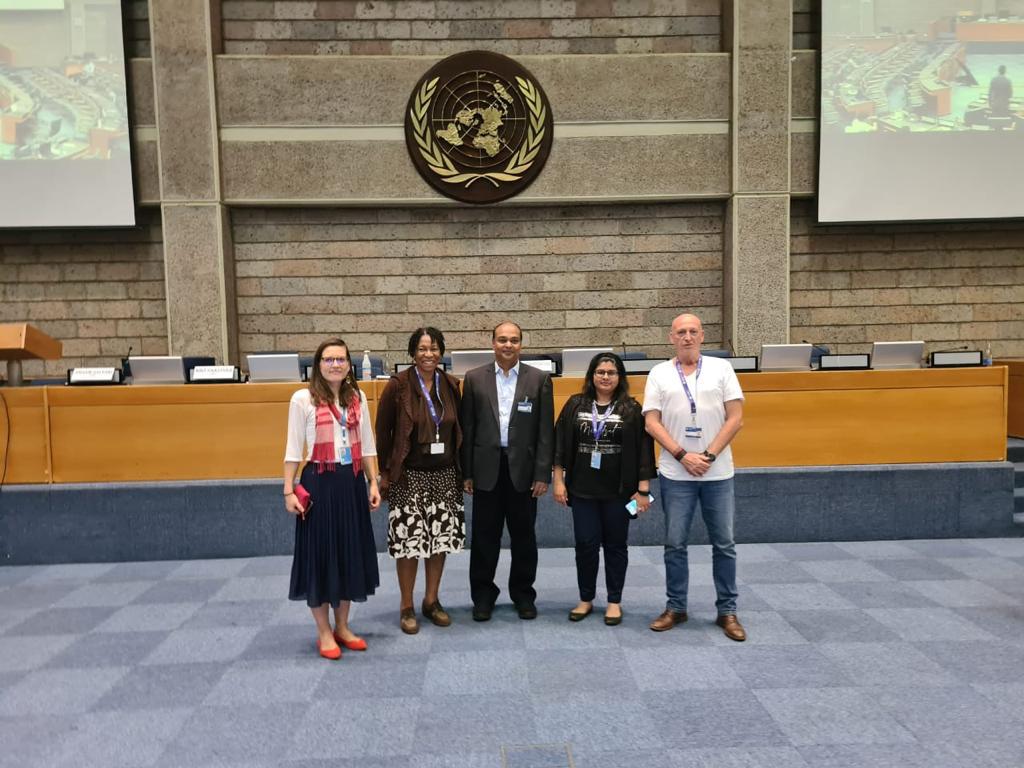
Empowering Communities for a Sustainable Future: Insights from the World Water Quality Alliance Conference The World Water Quality Alliance (WWQA) Conference 2023, held in Nairobi, Kenya, brought together a diverse array of stakeholders, including local community leaders, youth organizations, scientists, and policymakers, to address global water quality challenges. Organized by the United Nations Environment Programme (UNEP), the conference highlighted the transformative power of local communities in driving solutions for one of humanity’s most pressing concerns—water quality. Dr. Nandhivarman Muthu, Secretary General of the Association for Promoting Sustainability in Campuses and Communities (APSCC), was an invited speaker at the conference. His participation underscored the vital role of grassroots efforts, data-driven actions, and capacity development in shaping a sustainable water future. Conference Goals and Vision The event was designed to achieve several key objectives: 1. Empowering Local Communities: Demonstrating the pivotal role of grassroots engagement in resolving global water-based challenges. 2. Transforming Data into Action: Using water quality monitoring data as a springboard for impactful local interventions. 3. Building Capacity: Equipping stakeholders with the knowledge and skills to implement sustainable water management practices. 4. Fostering Collaboration: Establishing permanent ties between high-level strategists and local stakeholders to enable enduring partnerships. 5. Engaging Youth: Highlighting the role of youth organizations as initiators and leaders in tackling water quality issues that directly affect their future. Dr. Nandhivarman’s Contribution As a speaker, Dr. Nandhivarman Muthu emphasized the following key points: • Local Solutions, Global Impact: He highlighted success stories where community-driven initiatives led to significant improvements in water quality, showcasing APSCC’s grassroots projects. • Citizen Science and Engagement: Dr. Nandhivarman advocated for integrating local water forums, composed of ordinary citizens, researchers, and cultural actors, to raise awareness and inspire action. • Youth Leadership: He underscored the need for youth organizations to lead transformative actions, emphasizing their role as catalysts for sustainable change. Key Themes and Discussions The three-day conference featured dynamic discussions around: • Citizen Science: The role of community-driven data collection and its integration into global water quality strategies. • Local Water Forums: Stories from diverse local groups comprising politicians, researchers, and citizens, who have united to tackle water challenges in their communities. • Youth-Led Initiatives: Examples of youth organizations leading innovative, grassroots actions to improve water access and quality. The conference also explored outcomes from the UN Water Conference 2023, identifying opportunities to expand the influence and scope of the WWQA’s work. A Global Call to Action The conference concluded with a call for immediate and collaborative action: • Strengthen Local Capacity: Invest in training and resources for communities to lead water quality initiatives. • Leverage Data for Change: Transform monitoring data into actionable solutions at both local and global levels. • Engage Youth: Empower the next generation to take charge of water conservation and management. Participants left inspired to bridge the gap between high-level strategies and local realities, fostering a united front against water-related challenges. The World Water Quality Alliance Conference 2023 exemplified the power of inclusive dialogue and collaboration. By connecting local stakeholders, youth leaders, and global experts, it reaffirmed the critical role of communities in driving water sustainability. Dr. Nandhivarman Muthu’s insights and the collective efforts of all participants underscored a universal truth: solving water challenges requires not just policies but people—people who are informed, empowered, and united in their commitment to a sustainable future. https://youtu.be/yTPwQpIlHLY
Green Protocol for Wetlands
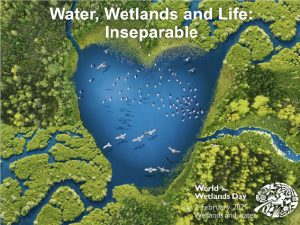
In a landmark event for environmental sustainability, Pondicherry University unveiled the ‘Green Protocol for Wetlands’ under the joint leadership of Prof. Gurmeet Singh, Vice-Chancellor of Pondicherry University, Dr. Golda Edwin, Executive Director, APSCC and Smt. Vanjulavalli Sridhar, IFS, Deputy Conservator of Forests and Wildlife. The launch was graced by Dr. Ramakichenin Balagandhi, Director, Department of Agriculture and Farmers Welfare, Prof. S. Balakrishnan, Director of Studies, Pondicherry University, Dr. B. Chitra, Registrar, Pondicherry University, Prof. K. V. Devi Prasad, Dean, School of Life Sciences, Prof. A. Shahin Sultana, Dean, Students Welfare, Prof. R. Nalini, HoD, Department of Social Work, Er. N. Sankaramourthy, Executive Engineer, and Dr. M. Nandhivarman, Coordinator, Office of Green Campus About the ‘Green Protocol for Wetlands’ The protocol, designed as a roadmap for wetland conservation, is organized under five key strategies: 1. Wetland Rehabilitation Strategies: Restoring ecological health and functionality of degraded wetlands. 2. Community Participation: Engaging local communities and students as stakeholders in conservation efforts. 3. Stormwater Drain Management: Improving drainage systems to minimize pollution and maintain wetland health. 4. Buffer Zone Sustainability: Establishing sustainable practices in areas surrounding wetlands to prevent encroachment and degradation. 5. Action Plan for Water Bodies: Creating comprehensive, actionable steps for preserving and managing wetland ecosystems. Purpose and Vision The protocol serves as a call to action for students and the community, aiming to foster collective responsibility for the protection and sustainability of wetlands. Built on foundational conservation principles, the protocol seeks to raise awareness and inspire active participation in safeguarding these critical ecosystems. Engaging the Community: Wetland Awareness Initiatives As part of the broader effort to sensitize the public, particularly young minds, a series of initiatives has been planned: 1. Drawing Competition: In collaboration with Thiru. Rudra Goud, Director of the Department of School Education, a drawing competition themed ‘Wetlands and Water’ will engage over 4500 participants from more than 400 public schools. This activity aims to instill awareness and creativity among students. 2. Wetland Conservation Network: A ‘Wetlands Mitras’ (Wetland Friends) network is being developed to catalyze the transformation of students and communities. This network will emphasize the role of wetlands in mitigating climate change and sustaining biodiversity. The launch of the ‘Green Protocol for Wetlands’ marks a significant step towards environmental stewardship and wetland conservation. By uniting students, educators, community members, and policymakers, this initiative highlights the collective effort required to protect these vital ecosystems. Wetlands are not merely water bodies; they are lifelines for biodiversity, climate stability, and human well-being. The ‘Green Protocol for Wetlands’ is a promising stride toward securing these invaluable resources for future generations.
International Seminar on Eco Conscientious Reflective Practices
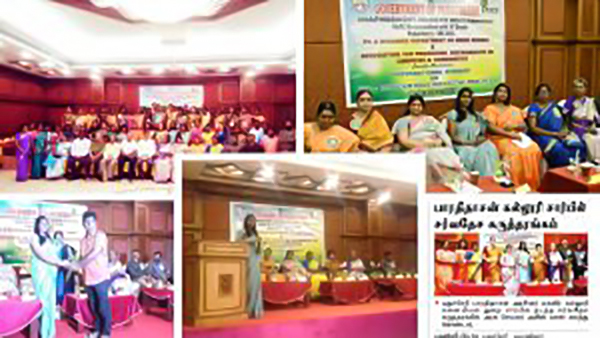
In a remarkable collaboration, the Association for Promoting Sustainability in Campuses and Communities (APSCC) partnered with Bharathidasan Government College for Women to host the International Seminar on Eco-Conscientious Reflective Practices. This milestone event brought together over 200 delegates from diverse sectors to explore the intersections of reflection, awareness, and sustainability. Held in a setting that inspired ecological mindfulness, the seminar underscored the urgent need to bridge the gap between environmental awareness and actionable change. What Are Eco-Conscientious Reflective Practices? Eco-conscious reflective practices involve intentional actions and thought processes designed to deepen awareness of our environmental footprint. These practices push individuals and organizations to critically examine the ecological consequences of their decisions, encouraging behaviors aligned with sustainable values. From evaluating everyday habits to transforming institutional policies, reflective practices form the foundation for a more harmonious relationship with nature. The Event Highlights The seminar created a dynamic platform for academics, policymakers, environmentalists, and students to exchange ideas. Key highlights included: •Inspirational Keynotes: Eminent speakers delved into the philosophy of eco-consciousness, exploring how reflective thinking can reshape sustainability practices at both individual and organizational levels. •Interactive Workshops: Delegates participated in hands-on sessions aimed at integrating reflective practices into daily decision-making processes. •Research Presentations: Scholars showcased studies on topics such as the psychology of eco-consciousness, the role of education in sustainability, and the impact of reflective practices on resource conservation. •Panel Discussions: Experts debated pressing issues, including climate change, biodiversity loss, and eco-friendly technologies. Empowering a Sustainable Future By promoting eco-conscious reflective practices, the seminar highlighted pathways to sustainability that transcend conventional methods. Delegates were encouraged to: 1.Adopt Sustainable Habits: Reflect on daily choices such as energy consumption, waste management, and purchasing decisions. 2.Incorporate Reflection in Workplaces: Embed eco-conscious thinking into organizational policies and workflows. 3.Educate for Change: Use the power of education to foster a generation that values and prioritizes environmental stewardship. A Catalyst for Collaboration APSCC and Bharathidasan Government College for Women demonstrated the power of partnerships in driving change. By engaging diverse stakeholders, this seminar established a robust network committed to championing eco-conscious reflective practices. The event concluded with a call to action: participants were urged to take the lessons learned and apply them within their respective communities and organizations, inspiring collective progress toward sustainability goals. The International Seminar on Eco-Conscientious Reflective Practices exemplified the transformative potential of reflective thinking in fostering sustainability. By engaging in deliberate, eco-conscious actions, we can shape a future that respects and nurtures the natural world. This seminar was not just an event—it was the beginning of a movement. Let us all commit to integrating eco-conscious reflective practices into our lives and work, ensuring a sustainable legacy for generations to come.
APSCC partners with Economic Times for the SDG Summit 2021
On 28th September 2021, the Association for Promoting Sustainability in Campuses and Communities (APSCC) served as a supporting association for the impactful event, “ESG to SDG: Connected Paths for a Better Future.” This comprehensive summit brought together thought leaders, policymakers, corporate executives, and sustainability advocates to explore the critical intersection of Environmental, Social, and Governance (ESG) principles and the Sustainable Development Goals (SDGs). Organized by The Economic Times, the event aimed to deepen global conversations on aligning business practices with sustainability goals to create a balanced and resilient future. Event Highlights Opening Sessions The day began with inspiring keynotes, setting the tone for the event: Keynote Address: “Much More Than Just a Statement: Championing Profitable and Sustainable Business.” This talk highlighted the essential role of sustainable business practices in achieving profitability while fostering environmental stewardship and societal well-being. Ministerial Address: “Enrich 2030: The ESG and Net Zero Future.” A government representative emphasized the dual approach required to achieve net-zero emissions: reducing greenhouse gas emissions and removing CO2 from the atmosphere. Chief Guest Address: “Building Back Better for All.” This session focused on integrating the 2030 Agenda into national development strategies, particularly in the wake of the COVID-19 pandemic, which significantly impacted SDG progress. Panels and Dialogues Inaugural CEO Panel: Leadership Matters This session featured prominent C-Suite leaders discussing the ESG opportunity. Key themes included: Accelerating the transition to low-carbon futures. Integrating ESG into core business strategies for long-term value creation. Understanding the role of leadership in driving sustainability initiatives. High-Level Dialogues on ESG and Sustainability Government leaders engaged in dynamic discussions, examining national commitments to net-zero emissions and the importance of embedding sustainability into development policies. ESG Trends and Business Insights The summit explored the Top 10 ESG Trends for the New Decade, highlighting issues like climate change, diversity and inclusion, ESG investing, and governance innovation. Industry experts presented practical solutions, from smart analytics to reducing plastic pollution. Interactive Sessions and Launches Launch of The ET and Futurescape 8th Sustainability Index Report The unveiling of this landmark report provided attendees with insights into the latest sustainability metrics and rankings. The felicitation of top ESG leaders inspired a deeper commitment to sustainable practices. Spotlight Talks and Case Studies Sessions such as “Supporting Recovery Through Safe and Clean Water” and “Pathways for Net-Zero Carbon Emissions” offered actionable frameworks for local and global implementation. Impactful Conversations on Investment and Innovation Investors’ Dialogue: ESG Investing This session addressed critical questions on ESG data gaps, climate risk pricing, and regulatory benchmarking. Investors emphasized the financial case for sustainability, showcasing its alignment with long-term value creation. Technological Innovations for Sustainable Impact Innovative technologies—ranging from geospatial tools to resource recovery systems—took center stage. Speakers highlighted how businesses can leverage these innovations to accelerate their SDG impact. Closing Session: Making Net Zero Possible The summit concluded with a powerful session on defining comprehensive strategies to achieve net-zero emissions. It emphasized the urgency of corporate climate action and the opportunities it presents for innovation and economic growth. APSCC’s Role in the Summit As a supporting association, APSCC contributed by promoting and advocating for sustainability-focused practices in campuses and communities. Conclusion The “ESG to SDG: Connected Paths for a Better Future” summit reaffirmed the interconnectedness of business, policy, and environmental sustainability. By bridging ESG principles with SDG objectives, the event paved the way for a more equitable, inclusive, and sustainable future. APSCC remains committed to its mission of fostering sustainability through advocacy, education, and collaboration.
Nature-based Solutions for Disaster and Climate Resilience
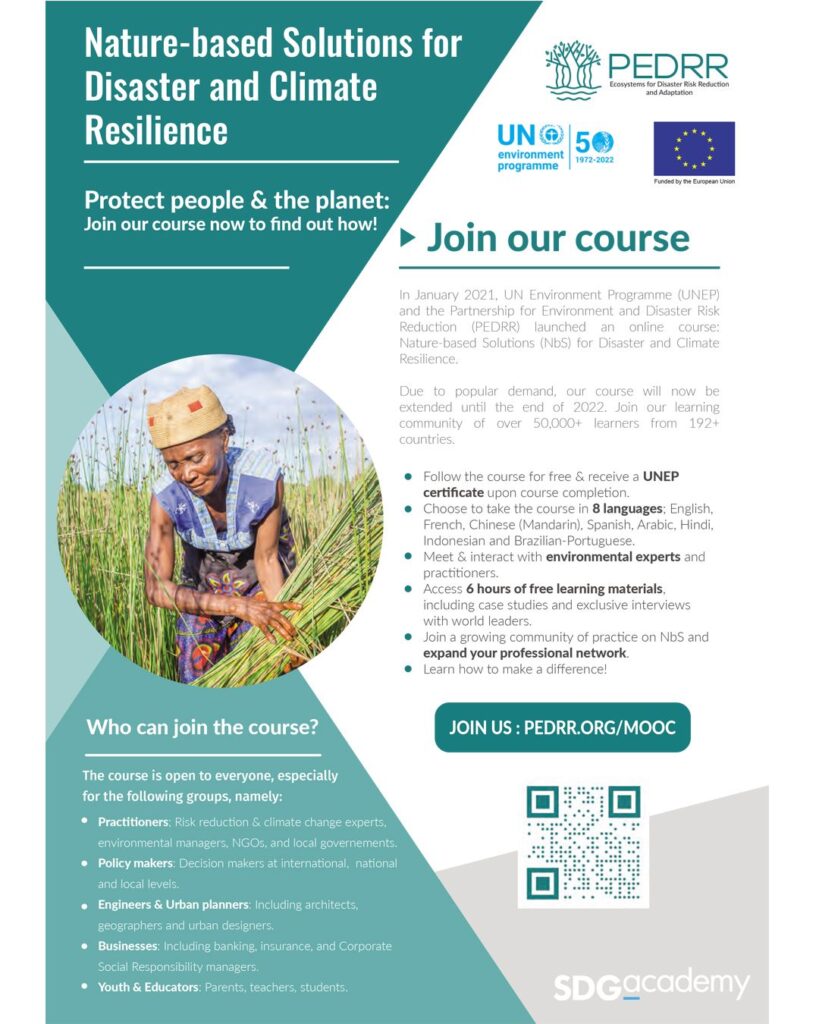
As a supporting partner, We are happy to announce that the United Nations Environment Programme (UNEP) and the Partnership for Environment and Disaster Risk Reduction (PEDRR) will be extending the course on ‘Nature-based Solutions for Disaster and Climate Resilience’, hosted on the SDG Academy/edX platform, thanks to support from the European Union. Registration link: <Closed> Join our learning community of nearly 50,000 participants from 192+ countries. Everyone is invited to join our course, regardless of background. Here are two reasons why our course is different: 1. The course provides content that is easy to follow, educational, interactive, and entertaining; in contrast to the typical lecture style structure of online courses. 2. Course instructors cover each topic in simple terms while providing real-life examples, animations, 360 virtual reality videos, and even a few surprises! Why sign up for this course: 1. Receive a UNEP course certificate upon course completion 2. Choose to take the course in 8 languages (English, French, Chinese (Mandarin), Spanish, Arabic, Hindi, Brazilian-Portuguese and Indonesian) 3. Meet & interact with environmental experts and practitioners 4. Access 6 hours of free learning materials, with exclusive interviews with world leaders 5. Join a growing community of practice on Nature-based Solutions and expand your professional network 6. Learn how to make a difference! Registration link: <Closed>
The Role of Universities and their Leaders Facing the Grand Challenges of Climate Change and Sustainability
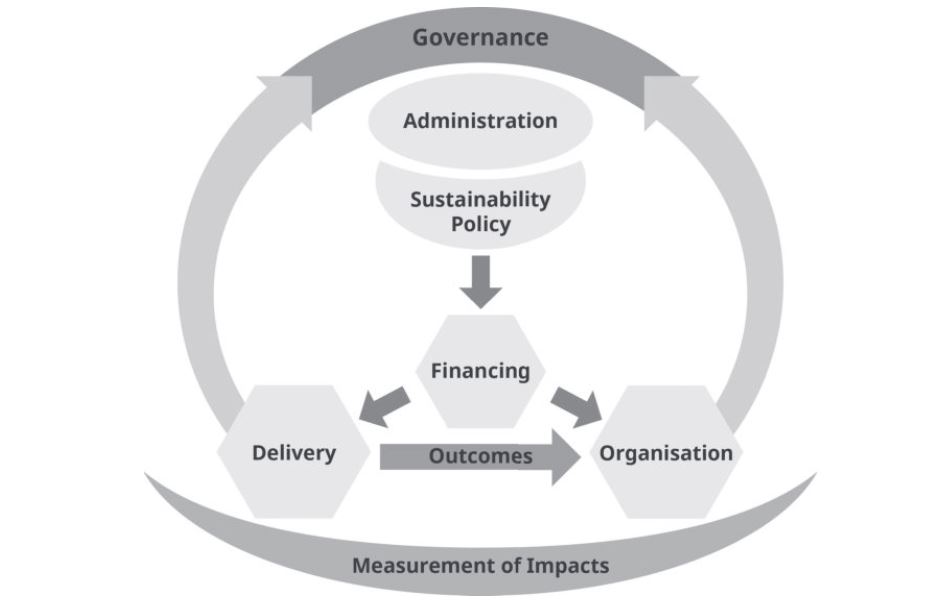
This research project investigated the role that higher education can play in addressing the challenges of sustainability and climate change, and particularly the importance of leadership and governance. Dr. Golda A Edwin and Dr. M Nandhivarman from India joined the team that included investigators/ researchers from seven countries and was supported by the Körber Foundation, on behalf of the Global University Leaders Council. The study looks in detail at the situation in Brazil, Germany, India, Japan, South Africa, the United Kingdom, and the United States of America. It also presents cross-national lessons learned as well as recommendations for future action