
Preserving Oussudu Lake – A Call for Collective Action
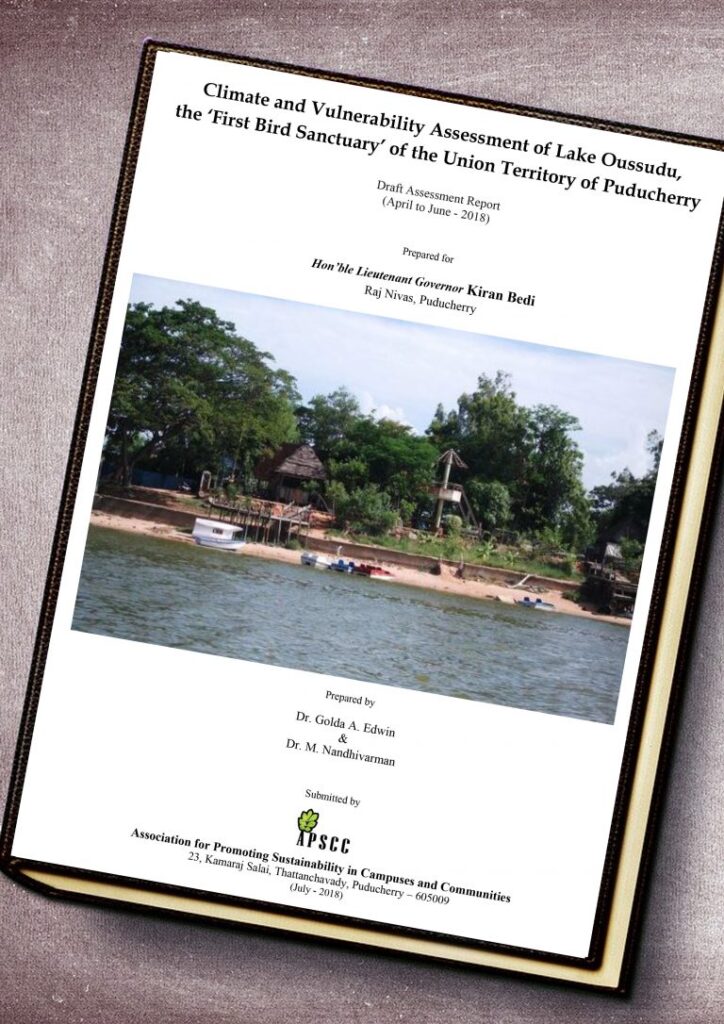
Freshwater biomes, including lakes, ponds, and rivers, are indispensable for sustaining life, providing water for agriculture, domestic use, and industrial needs. Yet, extensive urbanization, pollution, and encroachment have severely degraded these vital ecosystems. Among the endangered waterbodies requiring urgent attention is Oussudu Lake (Ousteri Lake), a site of immense ecological and cultural significance. Nestled within Oulgaret Municipality, Puducherry, Oussudu Lake holds the prestigious title of Puducherry’s First Bird Sanctuary, serving as a haven for migratory and resident birds while offering crucial ecosystem services. However, human-induced and natural threats now endanger this once-thriving lake, necessitating immediate conservation efforts. The Importance of Oussudu Lake Ecological Significance Biodiversity Hotspot: Home to a rich diversity of flora and fauna, including birds, amphibians, reptiles, crustaceans, and fish. Aquifer Recharge: Recharges groundwater resources essential for agriculture and local communities. Habitat for Birds: Supports thousands of resident and migratory birds during breeding and migration seasons. Cultural and Historical Relevance Heritage Site: A symbol of Puducherry’s cultural legacy, sustaining local livelihoods and traditions. Tourism Potential: Offers opportunities for eco-tourism and cultural heritage promotion. Current Challenges Despite its significance, Oussudu Lake faces an array of threats, including: Human-Induced Threats Encroachment on catchment areas and feeder channels. Pollution from solid and liquid waste, agricultural runoff, and effluents. Poaching and habitat destruction. Urban sprawl and infrastructure development near the lake. Natural and Climate Change Threats Reduced water levels due to erratic monsoons. Siltation and sediment deposition impacting water quality. Loss of biodiversity due to habitat changes and invasive species. Research and Findings Recognizing the urgent need for action, Hon’ble Lieutenant Governor Kiran Bedi initiated a comprehensive study on Oussudu Lake in collaboration with Pondicherry University, and the Association for Promoting Sustainability in Campuses and Communities (APSCC). Key highlights of the report include: Identification of 30 human threats, 4 natural threats, and 5 climate-related threats impacting the lake. Documentation of the lake’s upper catchment areas, physical characteristics, and hydraulic particulars. Detailed lists of biodiversity, including species of birds, butterflies, amphibians, reptiles, and plants. Recommendations for mitigating threats and promoting eco-tourism through Unique Selling Propositions (USPs) such as birdwatching towers, trekking trails, and educational programs. The Government of India and Government of Puducherry have undertaken several measures to rejuvenate Oussudu Lake: National Frameworks Solid Waste Management Rules (2016) and Wetland Conservation Rules (2017): Prohibit waste dumping and industrial expansion in wetland areas. Ramsar Convention: Recognizes Oussudu Lake as a wetland of international importance. Puducherry Initiatives Declaring Oussudu Lake and its surroundings litter-free, plastic-free, and no-horn zones. Proposals for a birdwatching center with telescopes and educational facilities. Construction of walking trails and parks to promote eco-tourism and local engagement. Strengthening lake bunds with additional vegetation to prevent erosion and provide bird habitats. Recommendations for Immediate Rejuvenation Pollution Control Install floating wetlands and bio-treatment systems to filter pollutants. Regulate agricultural and industrial runoff. Habitat Restoration Create artificial lake islands to attract birds and improve biodiversity. Remove invasive plant species and replace them with native vegetation. Infrastructure Development Establish walking trails, boating facilities, and birdwatching towers. Install renewable energy systems like solar panels for sustainable operations. Community Involvement Organize lake clean-up drives and citizen-led monitoring programs. Conduct educational campaigns to raise awareness about the lake’s ecological value. Policy and Governance Form an executive committee comprising officials from all relevant departments. Develop a green protocol to guide conservation efforts and ensure compliance. Relevance to Sustainable Development Goals (SDGs) The rejuvenation of Oussudu Lake aligns with the United Nations Sustainable Development Goals (SDGs): Goal 6: Clean Water and Sanitation. Goal 11: Sustainable Cities and Communities. Goal 13: Climate Action. Goal 14: Life Below Water. Goal 15: Life on Land. By preserving this vital ecosystem, we contribute to global efforts to ensure environmental sustainability and intergenerational equity. Water is more than a resource; it is a heritage that must be safeguarded for future generations. The conservation of Oussudu Lake is not just an environmental responsibility but a cultural and economic opportunity. By addressing pollution, restoring habitats, and promoting eco-tourism, we can transform Oussudu Lake into a model of sustainable development.
Climate and Vulnerability Assessment of ‘Bahour Lake’
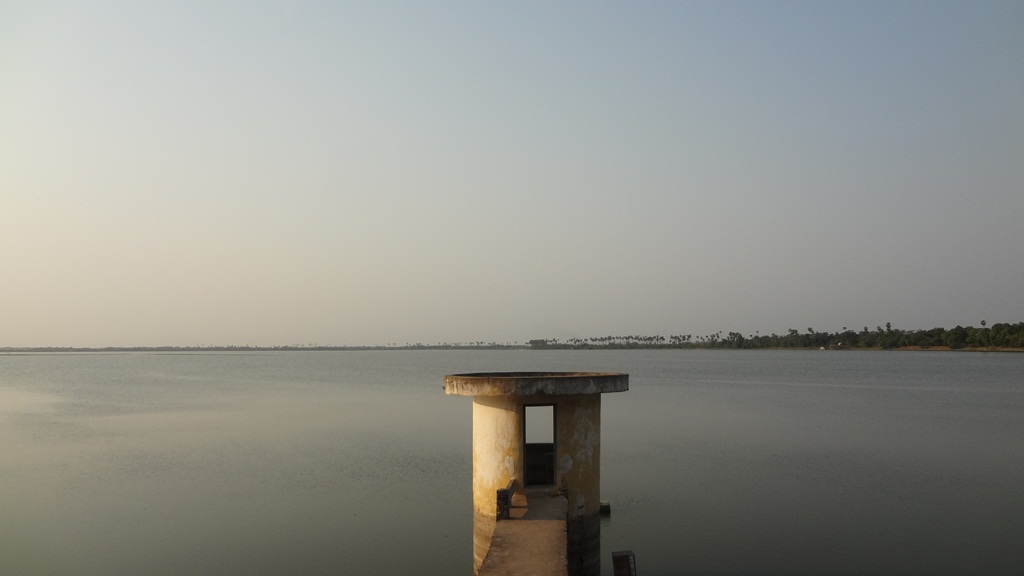
Water bodies such as tanks, ponds, ooranies, and rivers are deeply embedded in Indian society and culture, serving as vital resources for groundwater recharge, drinking water supply, irrigation, tourism, and cultural heritage. Their existence, however, depends not just on the availability of water but also on the presence of biota—flora and fauna that sustain ecosystem services. Unfortunately, pollution, encroachment, and lifestyle changes have drastically reduced the density and diversity of this biota, threatening these ecosystems’ ecological and cultural significance. One such endangered waterbody is Bahour Lake, the second-largest lake in Puducherry, located in the Bahour Commune. This freshwater lake, historically significant and culturally rich, now faces severe threats from semi-urban lifestyles, extensive agricultural practices, and unchecked human activities. Recognizing the urgent need for action, Hon’ble Lieutenant Governor Kiran Bedi initiated a comprehensive study on Bahour Lake in collaboration with Pondicherry University, and the Association for Promoting Sustainability in Campuses and Communities (APSCC). The Ecological and Cultural Importance of Bahour Lake A Legacy of Sustainability Historically, Bahour Lake has been an integral part of Puducherry’s “rice bowl,” supporting water-intensive crops like paddy and sugarcane while also serving as a haven for biodiversity. The lake is a designated Important Bird Area (IBA), home to over 25,000 waterfowl, including species like the Eurasian Wigeon (Anas penelope) and Little Grebe (Tachybaptus ruficollis). Ecosystem Services at Risk Despite its significance, Bahour Lake is under threat from: 1.Pollution: Agricultural runoff, solid waste, and untreated effluents. 2.Encroachment: Illegal structures and activities disrupting the lake’s flow. 3.Biodiversity Loss: Reduction in flora and fauna due to habitat degradation. 4.Unsustainable Practices: Overextraction of water resources and poaching. Research Study and Key Findings The study initiated by Hon’ble Lt. Governor and conducted by APSCC and researchers highlights: 1.Historical Significance: Documentation of the lake’s cultural and hydraulic history, including the Bangaru Vaikkal feeder channel and its importance in the region’s agricultural economy. 2.Threats Identified: The study revealed 26 site-specific threats, including pollution, habitat destruction, and invasive species, requiring immediate intervention. 3.Relevance to SDGs: The report aligns its recommendations with Sustainable Development Goals (SDGs), emphasizing: Goal 3: Good Health and Well-Being. Goal 6: Clean Water and Sanitation. Goal 11: Sustainable Cities and Communities. Goal 13: Climate Action. Goal 15: Life on Land. Recommendations for Rejuvenation The study outlines actionable strategies to restore Bahour Lake, including: 1. Pollution Mitigation Establishing floating wetlands to filter pollutants. Enforcing strict regulations for agricultural runoff and waste disposal. 2. Biodiversity Restoration Conducting regular biodiversity surveys. Protecting native aquatic species and restoring habitats. 3. Promoting Ecotourism and Cultural Heritage Tourism Developing guided eco-tours and birdwatching zones. Highlighting the lake’s cultural heritage through unique selling propositions (USPs). 4. Community Involvement Educating local residents about the lake’s ecological importance. Organizing clean-up drives and citizen-led conservation programs. Green Protocol for Lake Rejuvenation The report recommends a green protocol for sustainable lake management, including: Plastic-free and litter-free zones. Capacity-building programs to train volunteers in conservation. Initiatives to declare Bahour Lake a no-horn zone to minimize noise pollution. Government Initiatives and Relevance to National Goals In alignment with the Solid Waste Management Rules (2016), Wetland Conservation Rules (2017), and other national frameworks, the Government of Puducherry has undertaken: Educational programs to raise awareness about lake ecosystems. Plans to establish a recreational boathouse and walking trails to boost eco-tourism while discouraging illegal activities. A Vision for the Future As emphasized in the Brundtland Commission Report (1987) and Rio Declaration (1992), sustainable development is essential to meet the needs of the present without compromising future generations. Protecting Bahour Lake aligns with this vision by safeguarding its ecological, cultural, and economic significance. This initiative invites policymakers, researchers, and citizens to unite in conserving Bahour Lake and similar waterbodies across India. Together, we can ensure that these natural treasures remain vibrant ecosystems and cultural landmarks for generations to come.
Climate and Vulnerability Assessment of ‘Kanagan Lake’

Green Protocol is a set of non-negotiable and/or standard operating procedures (SOP) where environmentally responsible practices, education, and research go hand-in-hand thereby creating a healthy environment and community. Starting from ponds to lakes, catchment areas, streams, rivers, and even oceans got irreversibly polluted. Extensive urbanization and urban sprawl is the main root cause for such kind of water-related threats and associated environmental issues. One such polluted site, that currently needs attention, is the Kanakan Lake at Oulgaret Municipality of Puducherry. Waterbody restoration measures initiated by, Hon’ble Lieutenant Governor Kiran Bedi, had furthered this research study in association with Dr. Golda A. Edwin and Dr. M. Nandhivarman (Pondicherry University Alumni) and the APSCC. The report highlights, lake details, the voluntary efforts taken by a cluster of educational institutions; the Government of India and Puducherry initiatives; pond rejuvenation and its relevance to sustainable development goals; green protocol for lake/ pond. Among various other threats, 22 site-specific serious threats, that need immediate attention were identified, carefully investigated and logical recommendations were provided. In addition, to promote ‘ecotourism’, unique selling propositions (USPs) and measures for immediate rejuvenation were identified and recommended in this report.
Green Protocol: A Milestone for Sustainable Development
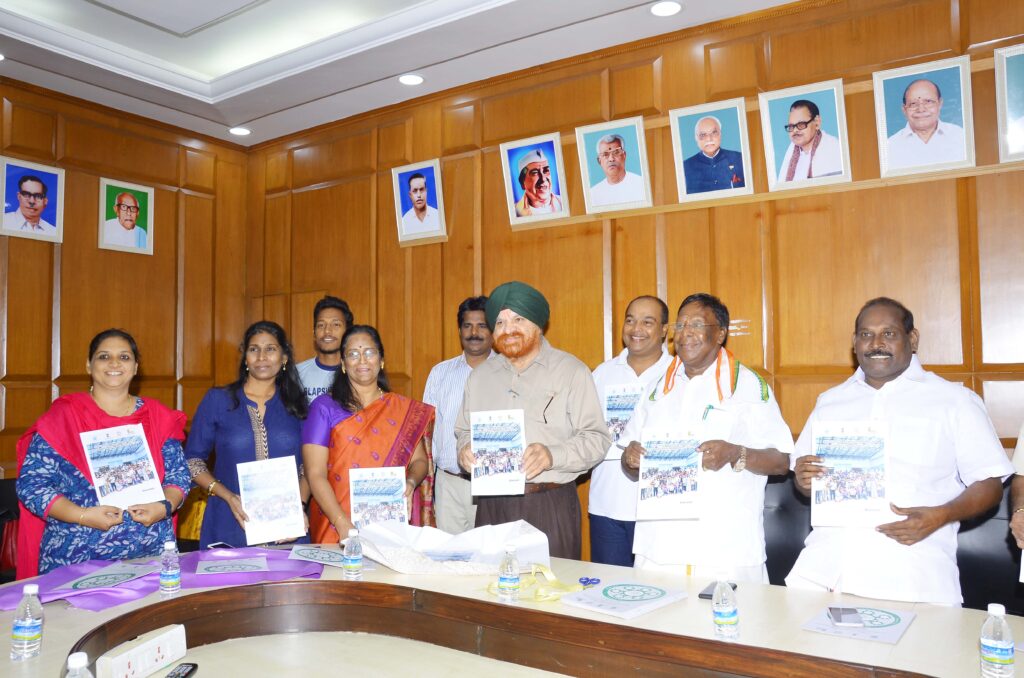
Green Protocol – A milestone for Sustainable Development In a groundbreaking effort to combat the challenges posed by climate change, resource depletion, and pollution, the Comprehensive Green Protocol (CGP) was launched to guide diverse sectors in the Union Territory of Puducherry towards sustainability. This visionary initiative, developed through a collaborative effort by the Department of Science, Technology, and Environment (DST&E), the Puducherry Pollution Control Committee (PPCC), Pondicherry University, and the Association for Promoting Sustainability in Campuses and Communities (APSCC), aims to serve as a practical guide for educational institutions, industries, residences, and organizations. The Urgency for a Green Protocol With over 1.2 billion people and a predominantly agrarian economy, India faces the dual pressures of increasing greenhouse gas emissions and climate vulnerability. Issues like water scarcity, air pollution, and waste mismanagement are becoming increasingly severe. Puducherry, as a coastal region, is particularly susceptible to these challenges. The Comprehensive Green Protocol addresses these critical issues by providing actionable strategies for sustainable development. Key Features of the Green Protocol The CGP emphasizes environmentally responsible practices across sectors. Its framework integrates land use planning, resource management, waste segregation, energy efficiency, and educational initiatives. The protocol encourages the adoption of renewable energy, rainwater harvesting, and soil conservation practices, aligning these actions with global Sustainable Development Goals (SDGs). Educational institutions are prioritized as starting points for the implementation of this protocol, recognizing their role in shaping future leaders. Universities, schools, and colleges are seen as ideal hubs for raising awareness, fostering environmental stewardship, and promoting community engagement. Implementation Strategy The protocol outlines a multi-step approach: 1.Stakeholder Engagement: Establishing committees for planning, monitoring, and documentation. 2.Awareness and Training: Hosting workshops and training sessions to instill sustainability practices. 3.Infrastructure Development: Setting up facilities for waste segregation, nutrient recovery, and energy conservation. 4.Monitoring and Reporting: Periodic evaluations to ensure adherence to the protocol and track progress. Relevance to Policy and Global Goals The CGP aligns with major national and international initiatives, including India’s National Action Plan on Climate Change (NAPCC), the Sustainable Development Goals, and the principles of the Rio Declaration. The protocol also incorporates the 2016 Waste Management Rules, highlighting the importance of waste minimization, segregation, and recycling. Call to Action This initiative is more than just a set of guidelines—it is a call for collective responsibility. The CGP urges all stakeholders, from government bodies to individuals, to embrace sustainable practices. By doing so, Puducherry aims to create a replicable model of environmental stewardship for other regions in India and beyond. The Comprehensive Green Protocol stands as a beacon of hope, steering Puducherry towards a sustainable and resilient future. With continued collaboration and commitment, this protocol could pave the way for transformative environmental action, ensuring a healthier planet for generations to come. News Media: Green protocol for UT released Download Report: Green protocol UNFCCC
State Level Awareness Program on Sustainable Waste Management – 2017 (SLAPSWM)
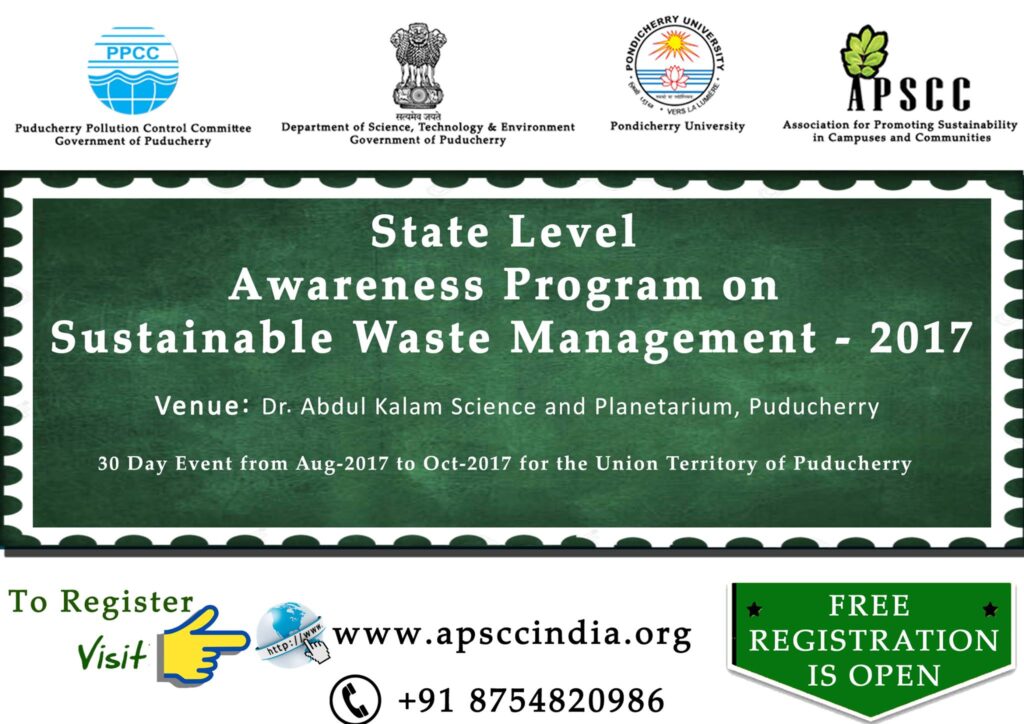
The State-Level Awareness Program on Sustainable Waste Management (SLAPSWM) 2017-18 marked a milestone in environmental consciousness for the Union Territory of Puducherry. Organized by the Puducherry Pollution Control Committee (PPCC) in collaboration with the Department of Science, Technology, and Environment (DST&E), Pondicherry University, and the Association for Promoting Sustainability in Campuses and Communities (APSCC), this comprehensive initiative spanned multiple months, reaching over 5,000 participants across Puducherry, Karaikal, Mahe, and Yanam. A Vision for Sustainability The program aimed to foster awareness about the new sustainable waste management rules introduced by the Ministry of Environment, Forest and Climate Change, India. It served as a platform for educating diverse stakeholders—students, researchers, faculty, government officials, healthcare professionals, architects, community workers, and more—on the urgent need for sustainable waste practices. The State-Level Awareness Program on Sustainable Waste Management (SLAPSWM) was a landmark initiative that brought together over 10,000 participants from diverse sectors, including educational institutions, industries, municipalities, NGOs, and community organizations. This extensive participation underscored the program’s commitment to fostering a wide-reaching impact across societal strata. The sessions, led by more than 90 resource persons, provided valuable insights into effective waste management practices, covering educational institutions, industrial settings, residential spaces, and community areas. Through engaging discussions, hands-on workshops, and interactive presentations, participants delved into essential topics such as waste segregation, recycling, hazardous waste disposal, and sustainable solutions for tackling pressing environmental challenges. A key achievement of the program was the development of a Comprehensive Green Protocol, designed as a practical guide for institutions and organizations to integrate sustainable practices into their operations. This protocol outlines clear standard operating procedures for environmental governance, making sustainability a core organizational value. The program also initiated transformative actions, with institutions like JIPMER and PIMS implementing campus-level waste management projects, establishing biogas plants, and launching campaigns to reduce plastic use. The inaugural event, held at the Dr. Abdul Kalam Science Center and Planetarium, was graced by distinguished dignitaries, including the Hon’ble Chief Minister Shri. V. Narayanasamy and Secretary DST&E Shri. R. Mihir Vardhan, I.A.S., setting the tone for the program’s ambitious goals. Participants across sectors commended the initiative for its thoughtful approach and actionable outcomes. Dr. Ashok Shankar Badhe of JIPMER highlighted its significance in addressing environmental challenges, while the Principal of Kanchi Mamunivar Center for Postgraduate Studies praised its emphasis on resource-sharing and sustainability education. By equipping communities with the knowledge and tools to adopt sustainable practices, SLAPSWM demonstrated the power of collective action in creating a cleaner, greener future. It served as a vital platform for fostering partnerships and inspiring transformative changes in waste management at both local and institutional levels. A Roadmap for the Future SLAPSWM 2017-18 has laid a solid foundation for sustainable waste management in Puducherry. By combining education, policy, and community action, this initiative highlights the critical role of awareness in tackling environmental challenges. It also underscores the importance of partnerships among governments, academia, and communities in achieving sustainability goals. Download Souvenir
Summer Vacation Science Camp
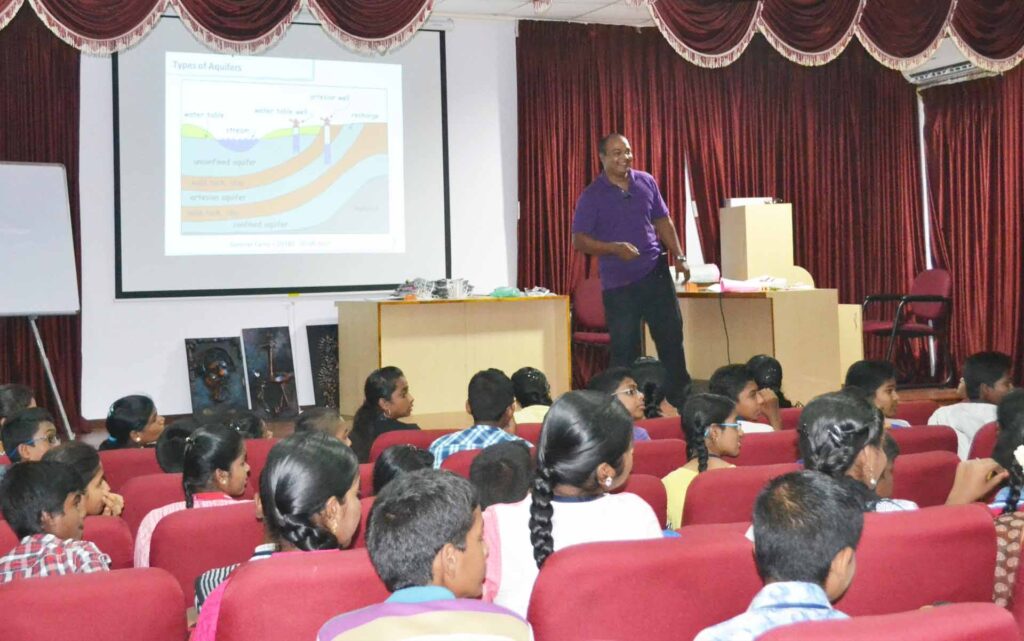
The Summer Vacation Science Camp held from May 3 to May 31, 2017, at the Dr. Abdul Kalam Science Centre and Planetarium in Puducherry was a vibrant initiative aimed at fostering scientific curiosity and learning among school students. Organized by the Puducherry Council for Science and Technology under the Department of Science and Technology, Government of Puducherry, the event saw the enthusiastic participation of over 100 students from various schools in the region. The camp was designed to ignite young minds with a passion for science through interactive sessions, experiments, and hands-on activities. The Association for Promoting Sustainability in Campuses and Communities (APSCC) played a key role in the program, contributing as resource persons and sharing their expertise on sustainability and environmental science. The sessions conducted by the APSCC team emphasized the importance of adopting sustainable practices in everyday life, while also inspiring students to explore innovative solutions to environmental challenges. The month-long camp provided a unique platform for students to engage with science beyond their classrooms. Activities were tailored to encourage experiential learning, allowing participants to develop problem-solving skills and critical thinking. Through demonstrations and guided experiments, students gained insights into fundamental scientific principles and their practical applications in addressing real-world issues. The Science Camp not only celebrated the joy of discovery but also served as a stepping stone for many young participants to envision careers in science and technology. By nurturing curiosity and fostering a deeper understanding of science, the event contributed to shaping a generation of informed and responsible citizens committed to sustainability and innovation. The collaboration between the Puducherry Council for Science and Technology and APSCC underscored the power of partnerships in delivering impactful educational experiences.
Student Study Visit to the Herbarium of the French Institute of Pondicherry
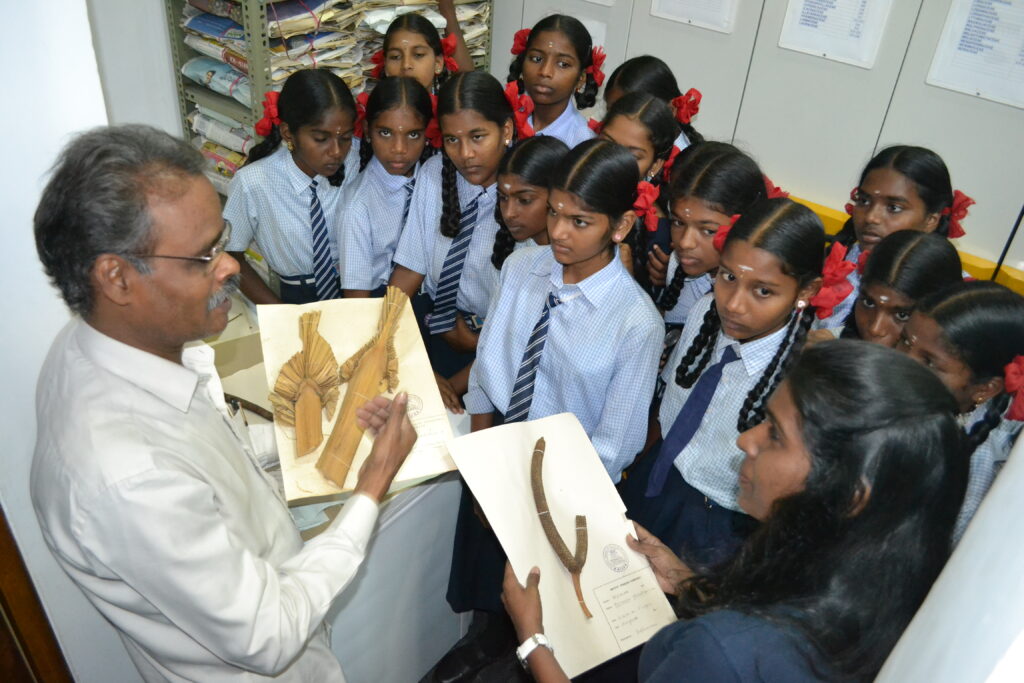
The Association for Promoting Sustainability in Campuses and Communities (APSCC) organized an enriching study visit for students to the Herbarium of the French Institute of Pondicherry (HIFP). Established in 1956 by Pierre Legris, an engineer from the French Forestry Commission, HIFP has grown into a treasure trove of botanical knowledge and biodiversity, making it a pivotal resource for researchers, educators, and students alike. The herbarium, popularly known as HIFP, is not just a repository of plant specimens but a living testament to decades of scientific exploration and collaboration. Over the years, its collection has expanded significantly, thanks to the dedicated efforts of renowned researchers such as Meher-Homji, G. Thanikaimani, Blasco, Shankaranarayan, and Jean-Pierre Pascal, among others. These luminaries, along with a team of passionate contributors, have ensured the herbarium remains a beacon of knowledge in botanical research and conservation. During the visit, students were introduced to the herbarium’s extensive catalog, which houses over 24,000 specimens from 268 plant families and 4,659 species. The collection is particularly rich in specimens from the Western Ghats, a biodiversity hotspot, but also includes contributions from other parts of India and the world, often acquired through exchanges or as gifts from other herbaria. These specimens provide invaluable insights into the diversity of tree species and other flora. The herbarium’s evolution reflects its commitment to modernization and accessibility. In 1998, computer cataloging began, and in 2010, the database was migrated to Pl@ntNote, an open-source software integrated with the Pl@ntNet project. This digitization effort not only preserved the herbarium’s data but also made it available online, with enhanced search capabilities and mapping features for global accessibility. Recently, the specimens were moved from traditional wooden cases to modern steel ones, ensuring their longevity and better preservation. During the study visit, students had the opportunity to interact with experts like S. Aravajy and N. Barathan, who shared insights into the meticulous processes of specimen collection, preservation, and cataloging. They also learned about the role of herbaria in advancing scientific research, conserving biodiversity, and supporting sustainable development initiatives. The visit to HIFP offered students a unique opportunity to witness firsthand the convergence of history, science, and technology. It inspired them to appreciate the importance of documenting and conserving plant diversity and underscored the critical role herbaria play in addressing global challenges like habitat loss and climate change. The Herbarium of the French Institute of Pondicherry is more than just a collection of plant specimens; it is a hub for education and collaboration that continues to contribute to the understanding and preservation of the natural world.
Climate Change and Biodiversity – Drawing contest
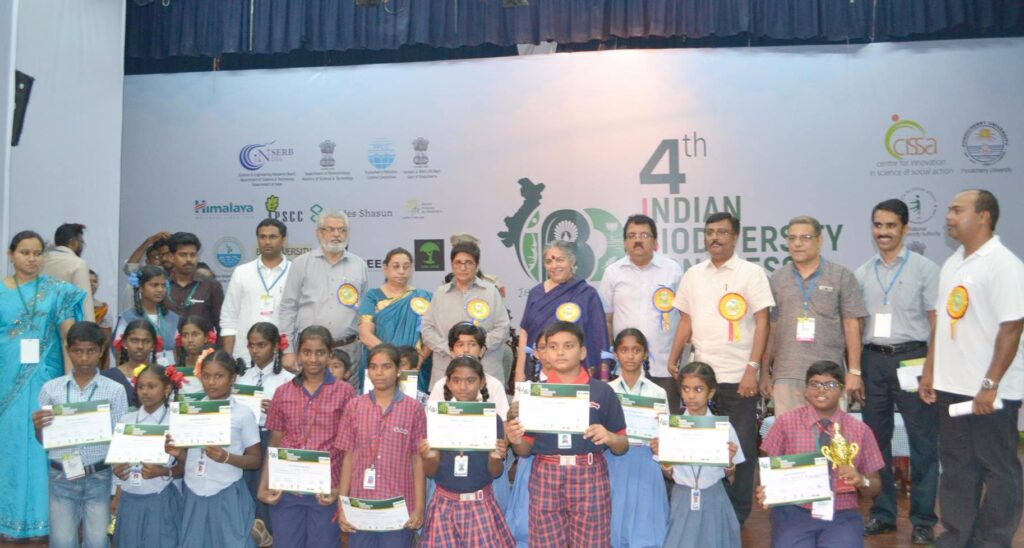
Winners of drawing contest on the theme “Climate Change and Biodiversity” held in conjunction with the 4th Indian Biodiversity Congress
APSCC partners with GSP- Food and Agricultural Organization of the United Nations

The Association for Promoting Sustainability in Campuses and Communities (APSCC) is proud to partner with the Global Soil Partnership (GSP) under the Food and Agriculture Organization (FAO) of the United Nations. This collaboration reflects a shared commitment to promoting global food security and ensuring access to high-quality, nutritious food for all, enabling people to lead active and healthy lives. Food security has been a pressing global concern since the early 1980s, encompassing the critical aspects of food availability, accessibility, and utilization. However, food insecurity continues to threaten millions due to stressors such as climate change, environmental degradation, and socio-economic challenges. In regions like peninsular India, severe cyclones, prolonged droughts, and other climate-induced events amplify these risks, especially in central and northern parts of the country, where overpopulation and agricultural dependency exacerbate vulnerabilities. The challenges to food security are twofold. On one hand, traditional foods, once celebrated for their nutritional value and health benefits, have been largely replaced by ready-to-eat processed foods laden with synthetic chemicals, preservatives, and stabilizing agents. This shift not only diminishes the health benefits associated with traditional diets but also contributes to lifestyle-related health issues. On the other hand, natural resources essential for food production—soil, water, and biodiversity—are under severe strain due to natural disasters, resource exploitation, and the escalating impacts of climate change. APSCC’s Initiatives for Sustainable Food Security At APSCC, we are actively engaged in addressing these challenges by promoting sustainable practices that integrate local traditions, organic farming methods, and environmentally responsible approaches: Promoting Local and Regional Food Systems We encourage campuses and communities to source food locally or regionally, reducing the energy footprint associated with transportation, refrigeration, and storage. This approach not only minimizes environmental impacts but also supports local farmers and economies. Revamping Campus Menus with Organic Choices By revising menu plans to include organic whole grains, vegetables, legumes, and fruits grown using waste-derived compost, we ensure healthier food options while promoting sustainable agricultural practices. On-Site Organic Kitchen Gardens APSCC advocates for the cultivation of organic food in campus kitchen gardens without the use of artificial pesticides and fertilizers. This initiative fosters self-sufficiency while protecting the environment and public health. Advancing Sustainable Farming Techniques Through the adoption of polycultures and intercropping methods, we promote higher yields, reduced soil erosion, and the growth of beneficial soil organisms. These practices support biodiversity and enhance soil health, which are critical for long-term food security. Addressing Climate Challenges with Organic Solutions To combat the dual threats of resource degradation and climate change, APSCC emphasizes the importance of organic food production, including organic milk, eggs, and meat. These practices not only offer a healthier alternative but also minimize the ecological footprint of food production. By partnering with the Global Soil Partnership, APSCC aligns itself with global efforts to combat soil degradation, enhance sustainable land management, and build resilient food systems. The collaboration also underscores the urgent need to conserve soil health, which serves as the foundation for biodiversity, water management, and sustainable agriculture. For more information about the Global Soil Partnership and its initiatives, visit the official FAO website: FAO Global Soil Partnership.
Green Campus Initiative at Jawahar Navodaya Vidhyalaya, India

A Blueprint for Sustainable Campuses The Green Campus Initiative (GCI), spearheaded by APSCC at the Jawahar Navodaya Vidyalaya, includes several innovative and practical measures aimed at fostering sustainability: Wastewater Treatment System: Reusing and recycling water for campus needs. Xeriscaping: Promoting water-efficient landscaping techniques. Biogas Generation: Turning organic waste into energy. Composting and Vermicomposting: Converting organic waste into nutrient-rich compost. Organic Vegetable and Herbal Gardens: Producing fresh, chemical-free produce on campus. This integrated approach has not only enhanced the campus environment but has also provided practical learning opportunities for students. The Jawahar Navodaya Vidyalaya Alumni Association (JANVAA) honored the founders of the Association for Promoting Sustainability in Campuses and Communities (APSCC) for their remarkable contributions to promoting ‘green campus’ strategies. Their pioneering work has turned the school into a model of global environmental sustainability, seamlessly integrating educational and operational processes for the betterment of both the institution and its surrounding environment. Recognized for Excellence The Green Campus Initiative has garnered widespread recognition, with the school earning multiple national and state-level awards. Beyond accolades, the initiative has drawn attention from global experts and scientists from the U.S., Europe, Brazil, and various parts of India, whose visits have further inspired the students to embrace environmental sustainability. School Principal Vinayathan expressed his pride, stating: “Since adopting green campus initiatives, environmental awareness among students and their attitude towards conservation have significantly increased.” Shaping the Next Generation of Environmental Stewards The APSCC team’s efforts at Jawahar Navodaya Vidyalaya demonstrate the transformative power of sustainability in education. By integrating green practices into daily operations, the initiative has cultivated a new generation of environmentally conscious students who are equipped to champion sustainability beyond the school campus. As highlighted by JANVAA, the recognition of APSCC founders underscores the vital role of institutions and individuals in advancing sustainable practices in education. Research Case Study: Evolving and Implementing Energy Recovering Strategy from Food Wastes at Jawahar Navodaya Vidhyalaya (JNV) Fostering Campus Sustainability News Media: The Hindu article.