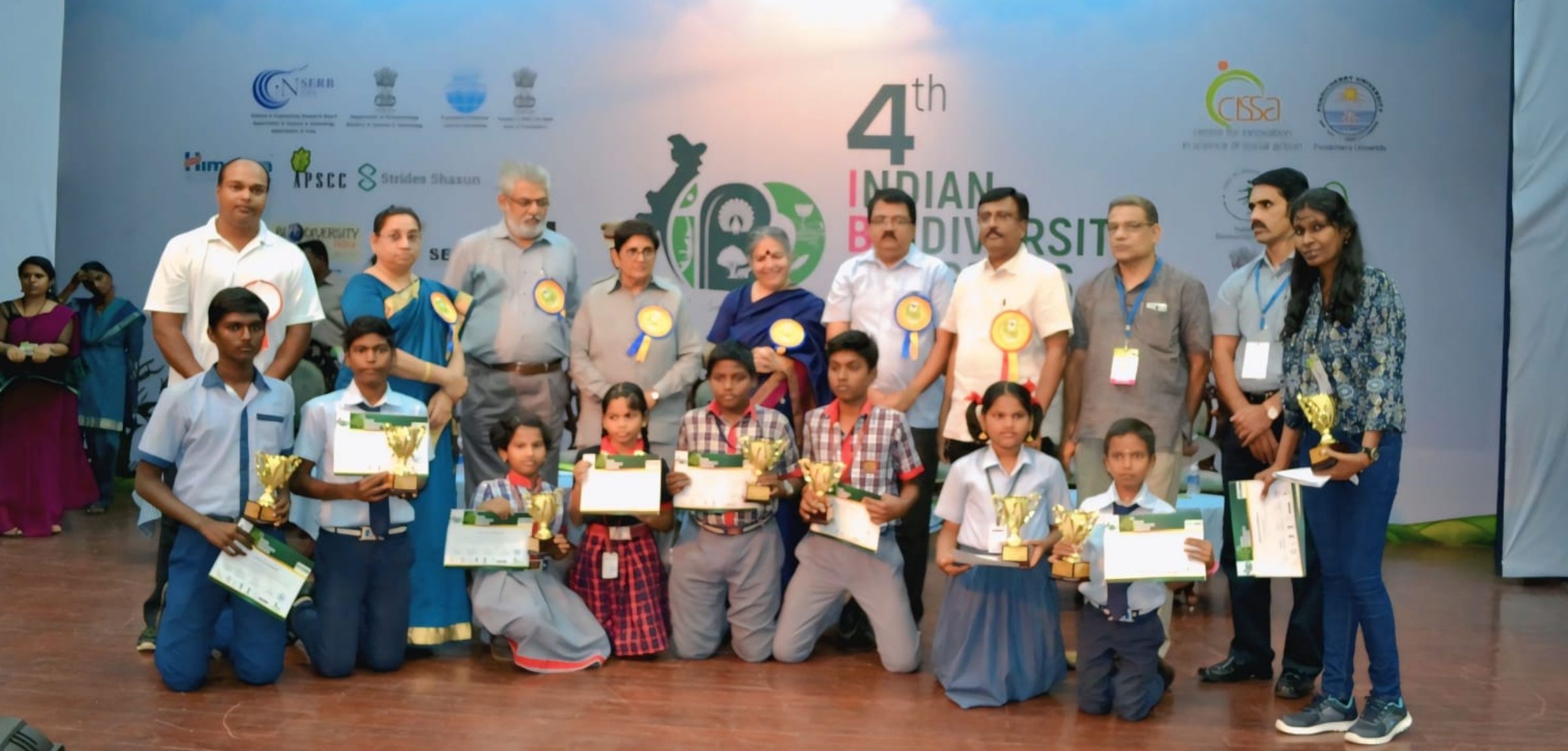
When a child draws a forest, a river or a vanishing species, they are doing more than filling a page — they are rehearsing a relationship with the natural world. APSCC celebrated exactly that spirit at the winners' ceremony of a drawing contest themed "Climate Change and Biodiversity," held in conjunction with the 4th Indian Biodiversity Congress.
The contest invited young participants to visualise one of the defining challenges of our time: how a warming, changing climate reshapes the web of life around us. Their entries — imaginative, hopeful and often startlingly clear-eyed — were displayed and judged alongside the scientific proceedings of the Congress, and the winners were honoured with trophies and certificates in the presence of scientists, educators and dignitaries.
Why art belongs in conservation
Biodiversity loss and climate change are, at their heart, communication problems as much as they are scientific ones. The data is unambiguous, yet the abstractions — parts per million, extinction rates, temperature anomalies — rarely move people the way a single vivid image can. Visual expression compresses complexity into feeling. A drawing of a dry riverbed, a bleached reef or a lone tree standing amid stumps can carry an emotional charge that a graph cannot.
This is why creative expression has become a recognised tool in the conservation movement worldwide. Art invites participation rather than passive consumption; it asks the viewer — and especially the young artist — to notice, to interpret and to care. For children, the act of drawing the natural world is also an act of paying attention to it. That attention is the seed of stewardship.
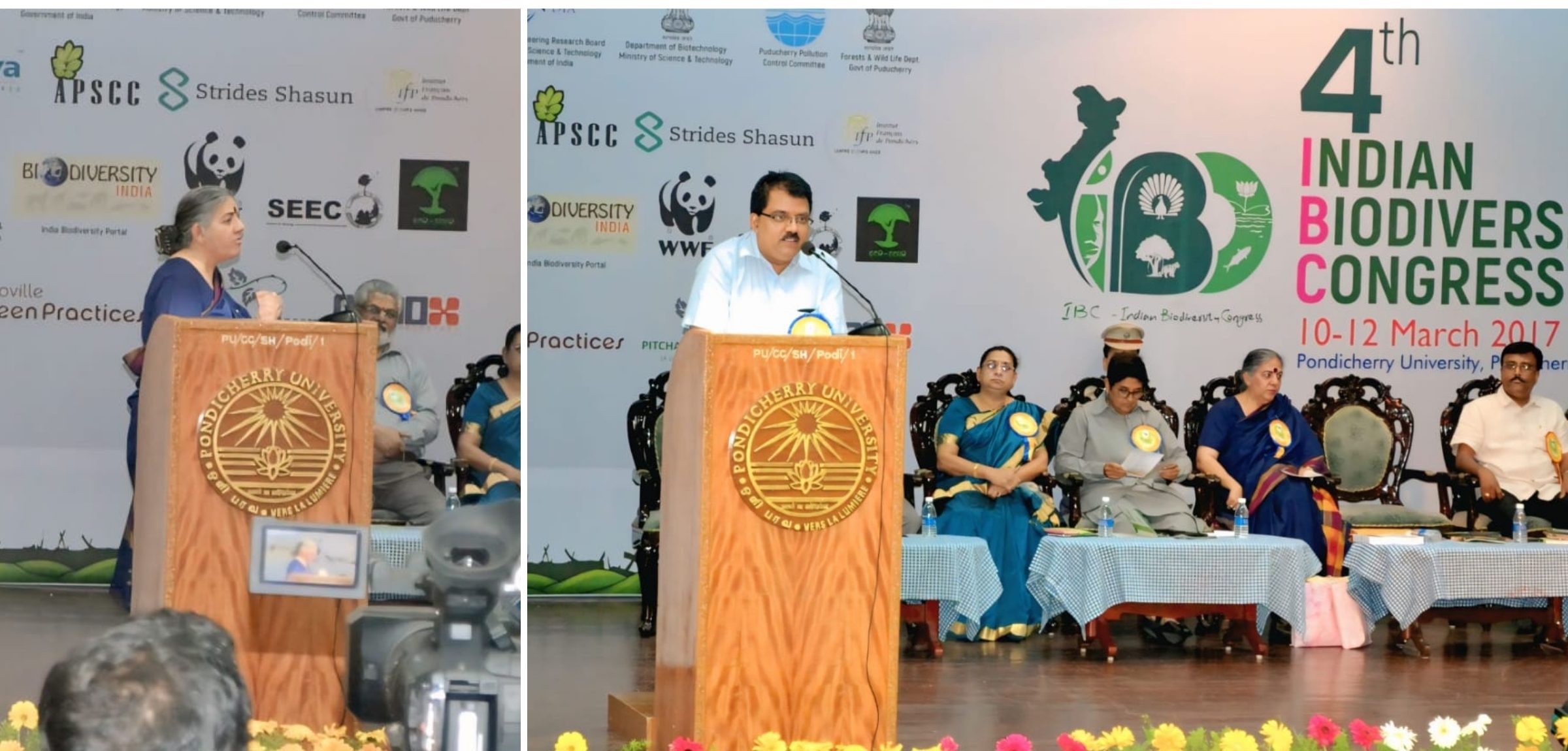
The 4th Indian Biodiversity Congress
The Indian Biodiversity Congress (IBC) is a national platform that brings together researchers, policymakers, educators and community organisations to take stock of India's biological wealth and the pressures on it. India is one of the world's seventeen "megadiverse" nations, home to a remarkable share of the planet's species across the Western Ghats, the Himalaya, its coasts and its river systems — much of it found nowhere else on Earth.
That richness sits directly in the path of a changing climate. Shifting monsoons, warming seas, extreme heat and altered growing seasons are already reshaping habitats and the livelihoods that depend on them. The Congress exists to keep science, policy and public engagement in conversation — and hosting a children's drawing contest alongside its technical sessions was a deliberate reminder that the audience for biodiversity science ultimately includes the next generation.
Climate and nature, one intertwined story
The contest theme — "Climate Change and Biodiversity" — captured a truth that experts increasingly emphasise: the climate crisis and the biodiversity crisis are not two separate emergencies but two faces of the same one. Healthy, diverse ecosystems store carbon, buffer floods and droughts, and keep the systems that sustain us resilient. As biodiversity erodes, that natural resilience weakens; as the climate destabilises, biodiversity comes under still greater strain. Asking young artists to hold both ideas in a single frame was, in miniature, the same challenge facing the scientists in the hall next door.
Engaging youth through creative expression
Programmes like this matter because environmental values, once formed young, tend to endure. By pairing a serious scientific congress with an accessible, joyful creative activity, APSCC and its partners lowered the threshold for participation — welcoming children not as spectators of an adult conversation but as contributors to it. The winners' recognition on a national stage sent a clear signal: your voice, and your vision, count.
This blend of science and creativity, recognition and encouragement, is a small but deliberate model for how conservation can build its own constituency — one attentive, hopeful young artist at a time.
Advancing the Global Goals
The contest and its celebration connect directly to several of the UN Sustainable Development Goals — bridging quality education, climate action and the protection of life on land.
This post commemorates APSCC's participation in and support of the drawing contest and winners' ceremony held in conjunction with the 4th Indian Biodiversity Congress. Explore more of APSCC's work in education and conservation across the Our Work and News & Media pages.